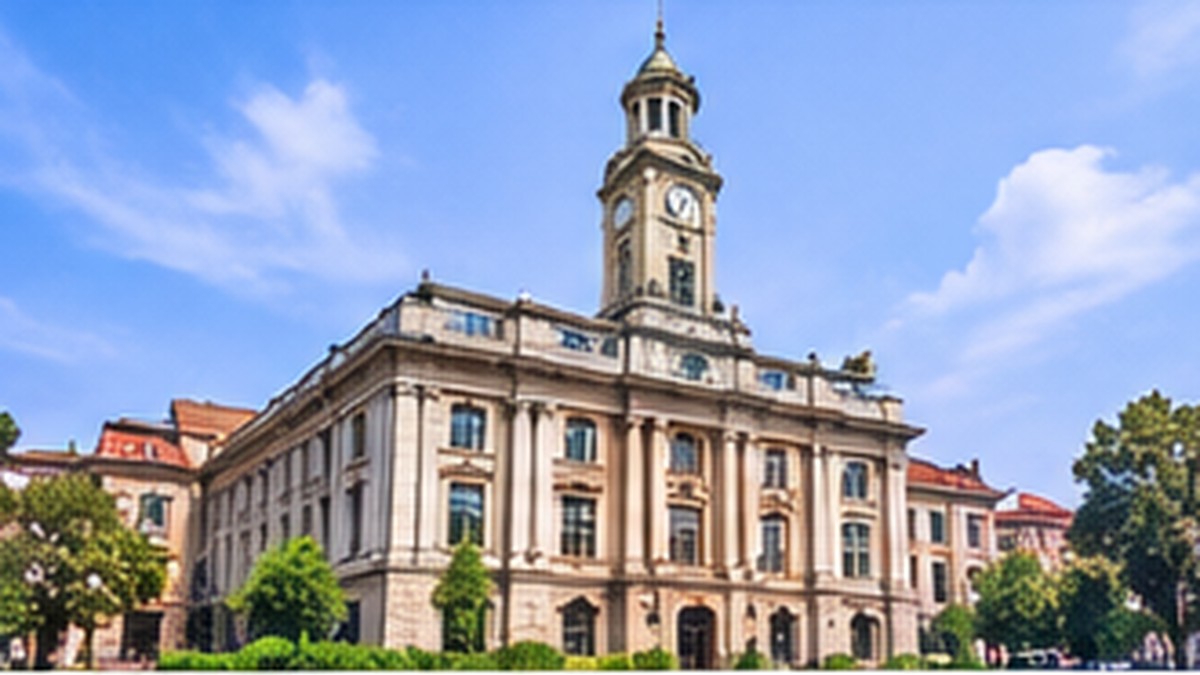
Wuhan's history is written into its geography. The Yangtze and Han rivers meet here, creating a strategic transport and trading location. Over time, three historic towns—Hankou, Hanyang and Wuchang—grew around the waterways and later became modern Wuhan.
A short history walk can help you understand why the city mattered long before its modern skyline appeared.
1. Begin with Wuchang and 1911
On 10 October 1911, the Wuchang Uprising broke out in what is now Wuhan. It became the opening event of the Xinhai Revolution, which brought down the Qing dynasty and led to the establishment of the Republic of China.
The 1911 Revolution Museum is a useful place to explore this turning point. Its exhibitions explain the background, events and consequences of the uprising. The museum's official website publishes opening information, including different closure days for its north and south sections. Check the current visitor notice before planning your visit.
2. Understand Hankou's treaty-port history
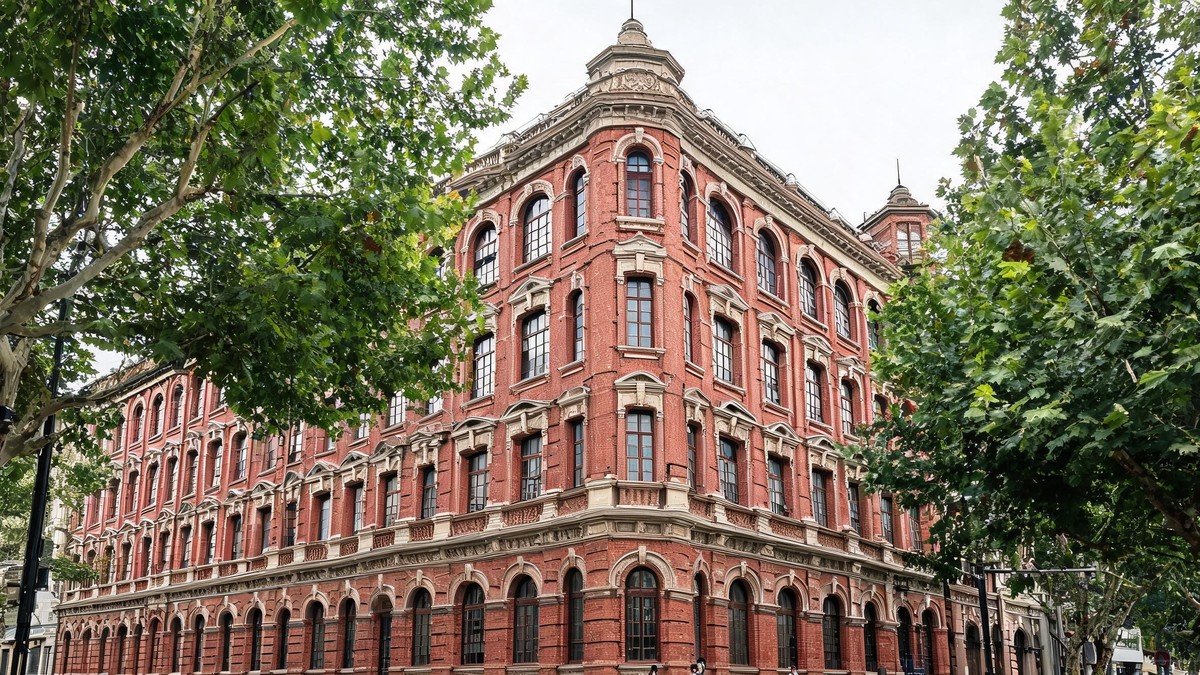
Hankou developed as a major commercial centre. After its opening to foreign trade in the nineteenth century, customs administration and international commerce shaped its streets and institutions. Historic buildings around the old commercial district tell part of this story.
Walk slowly along the older streets and look at the architecture, but remember that the buildings represent a complicated history of trade, unequal treaties, foreign concessions and local change. Avoid reducing the district to a picturesque European-style backdrop.
3. Meet Zhang Zhidong and modern industry
Zhang Zhidong was appointed Governor-General of Huguang in 1889. During the late Qing Self-Strengthening Movement, he promoted factories, schools and military modernisation. His programmes helped lay foundations for Wuhan's modern industrial development.
This history connects the city's educational institutions, factories and transport networks with the wider transformation of China in the late nineteenth and early twentieth centuries.
A simple half-day route
Start in Wuchang: Visit the 1911 Revolution Museum or nearby historic sites. Confirm which section is open and whether a reservation is needed.
Continue towards Hankou: Use the metro or a taxi to reach the historic commercial district. Walk along Jianghan Road and nearby streets, paying attention to the older buildings and the riverfront.
Finish by the river: A riverside walk gives you a sense of the geography that shaped Wuhan's development. The Yangtze and Han rivers are not just scenery; they explain the city's historic role as a transport and trading hub.
This route involves travel between districts, so check the live journey time and allow a buffer. If you prefer a slower afternoon, focus on one side of the river rather than trying to do everything.
Before you visit
Check the museum's current opening days and last admission time.
Confirm whether passport-based reservation or on-site registration is required.
Check temporary exhibition closures.
Bring your passport or the identity document used for any reservation.
Read the historical interpretation at each site rather than relying only on exterior photographs.
Wuhan's story is not one event or one building. It is a story of rivers, commerce, industry, education and political change. A little historical context makes the streets much more meaningful.
Related Guides
- Wuhan's Must-See Sights — Visit the landmarks that connect to Wuhan's history.
- Wuhan Breakfast — Fuel your history walk with a local breakfast.
- Where to Stay in Wuhan — Stay near the historic districts you want to explore.
Have a question? Does Wuhan's history make you want to explore a particular street or building? Ask your questions in the comments—we use reader questions to decide what to cover next.
Images are AI-generated illustrations and are intended for visual reference, not as documentary photographs.
Have a question about this guide?
Tell us what is still unclear — transport, payments, timing or anything else. Reader questions decide which guides we update next, and your answer may help another traveller arriving after you.