If you have only a short time in Wuhan, start with three very different experiences: the Yellow Crane Tower, the Hubei Provincial Museum and East Lake. Together they offer a strong introduction to the city's skyline, history and natural landscape.
1. Yellow Crane Tower: the classic Wuhan view
The Yellow Crane Tower stands on Snake Hill in Wuchang. It is one of Wuhan's best-known symbols and has a long literary history. From the upper levels, visitors can look towards the Yangtze River, the bridges and the modern city. The present tower is a reconstruction, so think of it as a cultural landmark and viewpoint rather than an untouched ancient building.
Allow enough time to explore the wider grounds, not just the tower itself. The surrounding area includes traditional-style gates, gardens and viewpoints. It can be busy during holidays and popular seasons, so an early visit may make the experience more comfortable.
The official Wuhan government tourism page lists opening hours and a ticket price, but these details can change. Check the attraction's official website before you go and confirm whether online booking is required.
2. Hubei Provincial Museum: a deeper look at the region
The Hubei Provincial Museum is one of the best places to understand the history and culture of Hubei. Its collections include important archaeological finds and the famous bronze chime bells associated with the Marquis Yi of Zeng tomb.
This is not a museum to squeeze into a rushed 30-minute stop. Choose a few galleries that interest you and leave time to understand the objects. If you are interested in ancient music, check the museum's current performance schedule for the chime-bell presentation.
The museum uses real-name reservations, and a reservation is required before you arrive. Its official visitor information says visitors must reserve through the museum's own channels and bring the same valid identity document used for the booking. Foreign visitors can use a passport to make the reservation, but this does not remove the reservation step: the passport you booked with must be the passport you bring, because the booking record and the document are checked together at the entrance. Arrive with the original document, not a photo or a copy. Opening arrangements can change for weekends, holidays or special events, so check the current notice before travelling.
Official reservation instructions (in Chinese): Hubei Provincial Museum reservation page

3. East Lake: make the lake fit your day
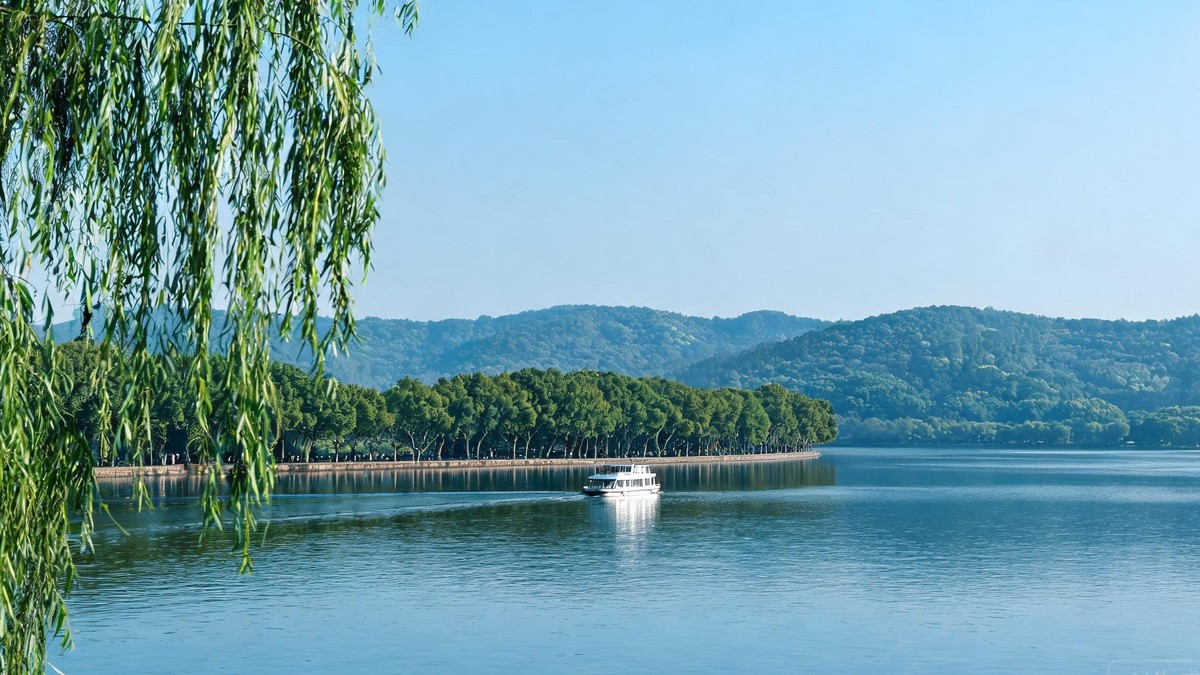
East Lake is vast. The scenic area contains several sections and a long greenway, so it is better to choose one area than to attempt the entire lake in a single visit.
Tingtao and Moshan are two well-known areas. Tingtao is convenient for a relaxed lakeside visit; Moshan is associated with gardens, seasonal flowers and views across the water. Cycling and walking can both be enjoyable, but distances are longer than they may appear on a map. Check the specific entrance, rental services and operating arrangements for the section you choose.
How to combine the three
One full day: Choose either the Yellow Crane Tower or the museum as your main cultural visit, then add a short East Lake stop only if travel time allows. Trying to do all three in depth will feel rushed.
Two days: Spend one day around the Yellow Crane Tower and nearby Wuchang sights. Use the second day for the museum and one selected section of East Lake.
Three days: Add Hankou's historic streets and riverfront, or keep one afternoon free for food and neighbourhood wandering.
Before you go
Check the official opening calendar, especially Monday closures and public-holiday arrangements.
Reserve the Hubei Provincial Museum in advance and use your passport details consistently.
Confirm ticket prices and entry rules on official attraction channels.
Check the weather: Wuhan's heat, rain and humidity can make long outdoor walks tiring.
Plan each day around one main area to reduce unnecessary river crossings.
The best first visit is not a race to collect landmarks. Give each place enough time, and let the contrast between architecture, artefacts and open water show you different sides of Wuhan.
Related Guides
- Wuhan Metro Guide — Reach the Yellow Crane Tower, museum and East Lake by metro.
- Wuhan's History in One Afternoon — Understand the story behind the landmarks.
- Where to Stay in Wuhan — Stay close to the sights you plan to visit.
Have a question? Which of Wuhan's big three would you visit first? If you have been, what did you think? Drop your questions or tips in the comments.
Images are AI-generated illustrations and are intended for visual reference, not as documentary photographs.
Have a question about this guide?
Tell us what is still unclear — transport, payments, timing or anything else. Reader questions decide which guides we update next, and your answer may help another traveller arriving after you.