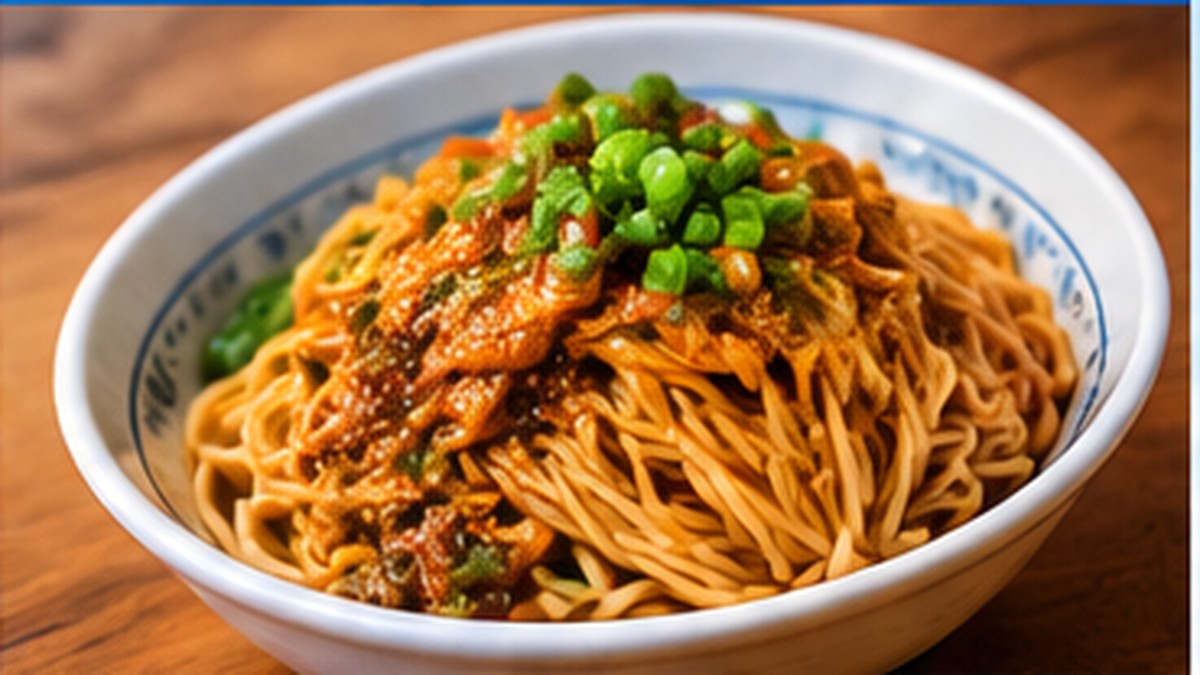
In Wuhan, breakfast is more than a quick meal. Locals call it guozao (过早), literally “having breakfast”, and the morning food scene is one of the city's most memorable everyday experiences. Small shops, market lanes and street-side counters serve people on their way to work and school.
The best way to enjoy it is to arrive with curiosity, a little patience and a translation app.
Start with hot dry noodles
Re gan mian (热干面), or hot dry noodles, is Wuhan's signature breakfast dish. The noodles are cooked, coated with sesame paste and mixed with seasonings. A typical bowl may include soy sauce, sesame oil, pickled vegetables, chopped spring onion and other toppings.
The texture is different from a soup noodle: the noodles are not served swimming in broth. They can look dry before mixing, so use the chopsticks to stir the sesame sauce through the noodles. If the bowl seems too thick, ask whether a little broth or hot water can be added.
A simple way to order is to show the Chinese name 热干面 on your phone. If you want less chilli, show 不要辣 (“no chilli”) or 少辣 (“less chilli”). Recipes vary from shop to shop, so ask about ingredients if you have allergies.
What else should you try?
Wuhan breakfast counters often offer several dishes. Look out for:
Sanxian doupi (三鲜豆皮): a savoury rice-and-bean-curd-skin dish, often cut into squares.
Mianwo (面窝): a savoury fried rice-flour snack with a crisp edge and a soft centre.
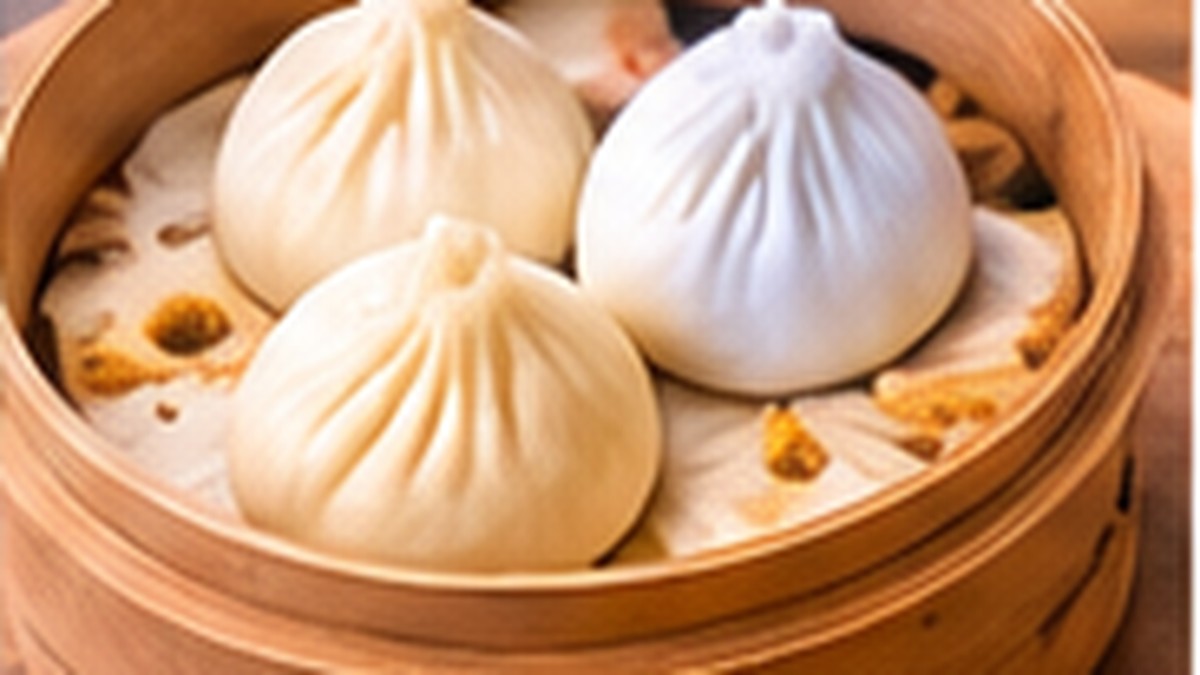
Tangbao (汤包): soup-filled buns. Be careful when biting into them because the filling can be hot.
Rice wine soup (蛋酒): a warm, lightly sweet drink made with fermented rice and often egg.
Fresh soy milk (豆浆): a common breakfast drink, served sweet or savoury depending on the shop.
Availability varies. A small neighbourhood shop may specialise in one or two items rather than offer a full menu.
How to order without speaking Chinese
A few practical habits make breakfast easier:
- Look at the food on display and point to the item you want.
- Show the Chinese name on your phone if pronunciation is difficult.
- Use a translation app for ingredients, allergies and spice level.
- Confirm the quantity before paying.
- If the shop is busy, step aside after ordering so the next customer can reach the counter.
Useful phrases:
一碗热干面 – One bowl of hot dry noodles.
不要辣 – No chilli.
少辣 – Less chilli.
不要香菜 – No coriander/cilantro.
多少钱? – How much is it?
可以扫码吗? – Can I pay by QR code?
For serious allergies, do not rely on a short phrase alone. Show a written explanation in Chinese and ask the shop to confirm that the dish is safe. Shared cooking surfaces and sauces can create cross-contact risks.
Where should you look?
You do not need a famous restaurant list to find a good breakfast. Look for busy local breakfast shops near residential streets, markets and commuter routes. In Wuhan, areas such as Liangdao Street and Shanhaiguan Road are known for local food, but popularity can mean crowds and changing shop line-ups.
Go early, keep your expectations flexible and choose a place where the food is being prepared fresh. Prices and opening times vary by vendor, so check the menu or ask before ordering.
Make breakfast part of the day
Breakfast is a great way to begin a sightseeing day. Eat near your accommodation, then use the metro or a taxi to reach your first attraction. If you are visiting the Yellow Crane Tower or exploring Hankou, choose a breakfast area that fits the rest of your route.
The point of guozao is not just to try one famous noodle dish. It is to experience Wuhan waking up—one hot bowl, one busy counter and one shared morning routine at a time.
Related Guides
- Wuhan's History in One Afternoon — Understand the city behind the breakfast stalls.
- Wuhan's Must-See Sights — Plan your sightseeing day after breakfast.
- First Time in Wuhan: Start Easy — A gentle introduction to the city for new visitors.
Have a question? Have you tried Wuhan breakfast? What did you order, and what was the hardest part? Share your story or ask about a dish you are curious about.
Images are AI-generated illustrations and are intended for visual reference, not as documentary photographs.